
Child Hunger in 2026: What It Really Looks Like
Most of us meet hunger in tiny, everyday ways. Your kid doesn’t want to finish their meal at the table, but is suddenly starving the second you’re on the way to the store. You’re constantly trying to make sure they get the nutrition they need and have enough healthy food.
The hard truth is that for millions of families, that basic stability is still out of reach. The hopeful truth is that there are real, practical ways to help.
This piece is here to give you a clear snapshot of what child hunger looks like in 2026, why it matters to us, and how ordinary families can be part of the solution.
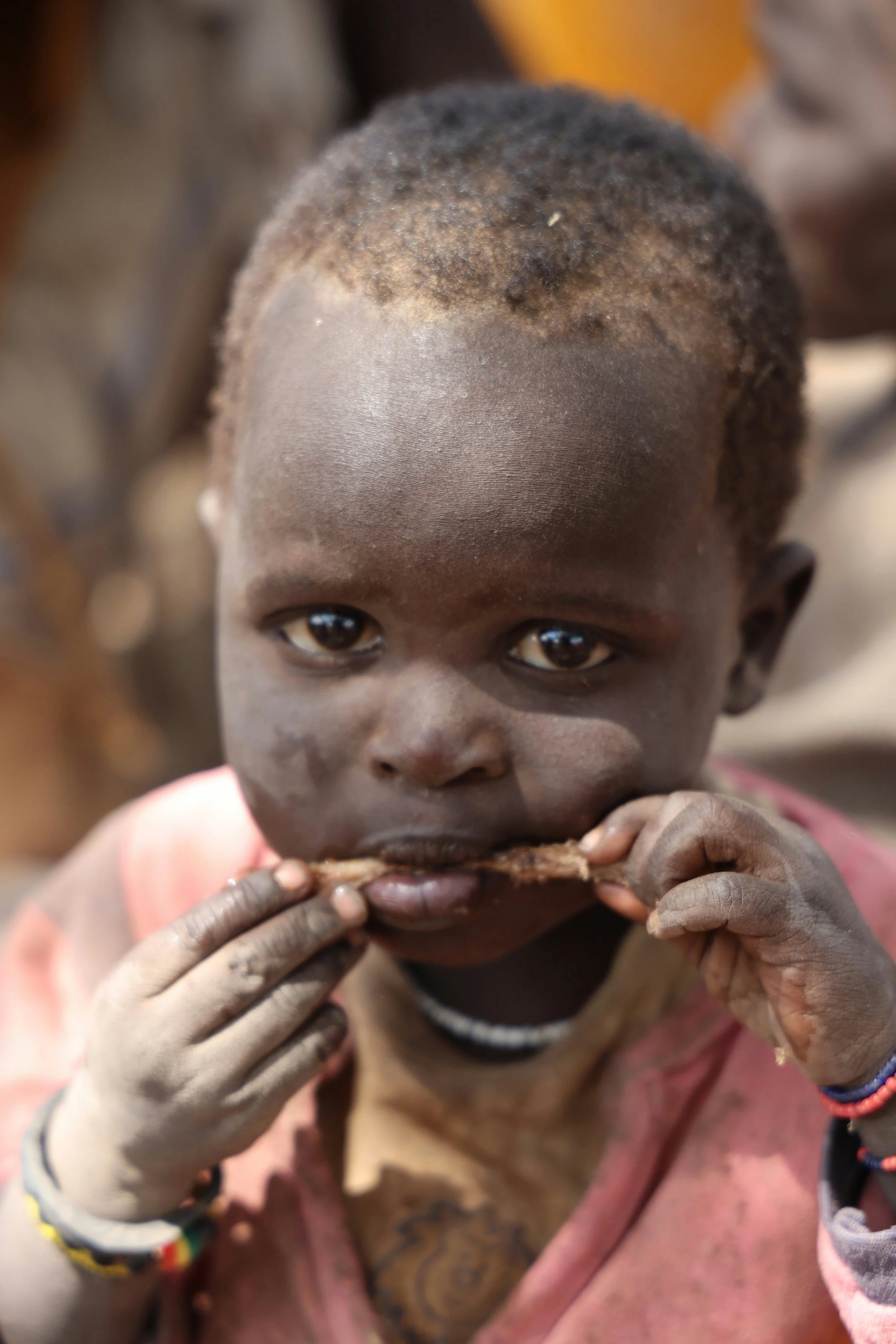
The big picture: hunger in 2024–2025
Recent UN data shows:
Around 673 million people lived with hunger in 2024. That’s just over 8% of the world’s population.
About 2.3 billion people experienced moderate or severe food insecurity in 2024, which means they didn’t reliably know if they could afford enough safe, nutritious food. That is over 300 million more people than in 2019.
On paper, global hunger has dipped slightly. In reality, the story is uneven. Africa, for example, is seeing hunger rise even as global averages improve, according to the Associated Press.
In Ethiopia, nearly 16 million people relied on donated grain in 2024, much of it funded by the U.S. Agency for International Development (USAID) and delivered through the World Food Programme and other partners. When U.S. foreign aid was frozen and USAID was effectively dismantled in early 2025, with staff fired and many programs abruptly cut, that disruption hit a country where roughly half of children were already malnourished (we’ll get into that later).
Behind all of these numbers are heartbreaking scenes: empty food distribution points, clinics without basics, and parents trying to stretch food a little further.
Zooming in: what this looks like for kids in the U.S.
In the U.S., hunger often hides behind full-looking grocery stores and busy school pick-up lines.
Here’s where things stand:
Nearly 44 million people in the U.S. were living in poverty in 2024, including about 10 million children. The child poverty rate is 13.4%, more than double the record low in 2021.
In 2023, about 18% of households with children (roughly 6.5 million households) experienced food insecurity at some point during the year.
Food insecurity doesn’t always mean “no food at all.” It can look like:
Parents skipping meals so kids can eat
Cheaper calories replacing fresh food
Teachers quietly keeping granola bars in their desks so students can focus in class
Why this matters to us at YumLit
Before YumLit existed as a light-up plate for kids, our co-founder Janet was a U.S. diplomat working for USAID on global food security and child nutrition. She saw hunger from different angles:
Parents in communities where food aid deliveries ensured children had enough to eat.
Programs that helped families access livestock and improved crop and legume varieties, so kids could get essential nutrition from a glass of milk, a few eggs, and beans.
Clinics providing ready-to-use therapeutic foods (RUTF) and parent education to reduce chronic malnutrition during the first 1,000 days of life.
U.S. families who skipped meals, relied heavily on programs like school meal programs to fill the gaps, or lived in food deserts without access to affordable fresh, healthy foods.
Those experiences stuck. They made it impossible to design something fun for mealtimes without also asking: how can this help make another child’s plate full?
That’s why every plate we sell is linked to a donation to fight child hunger and malnutrition, at home and abroad.
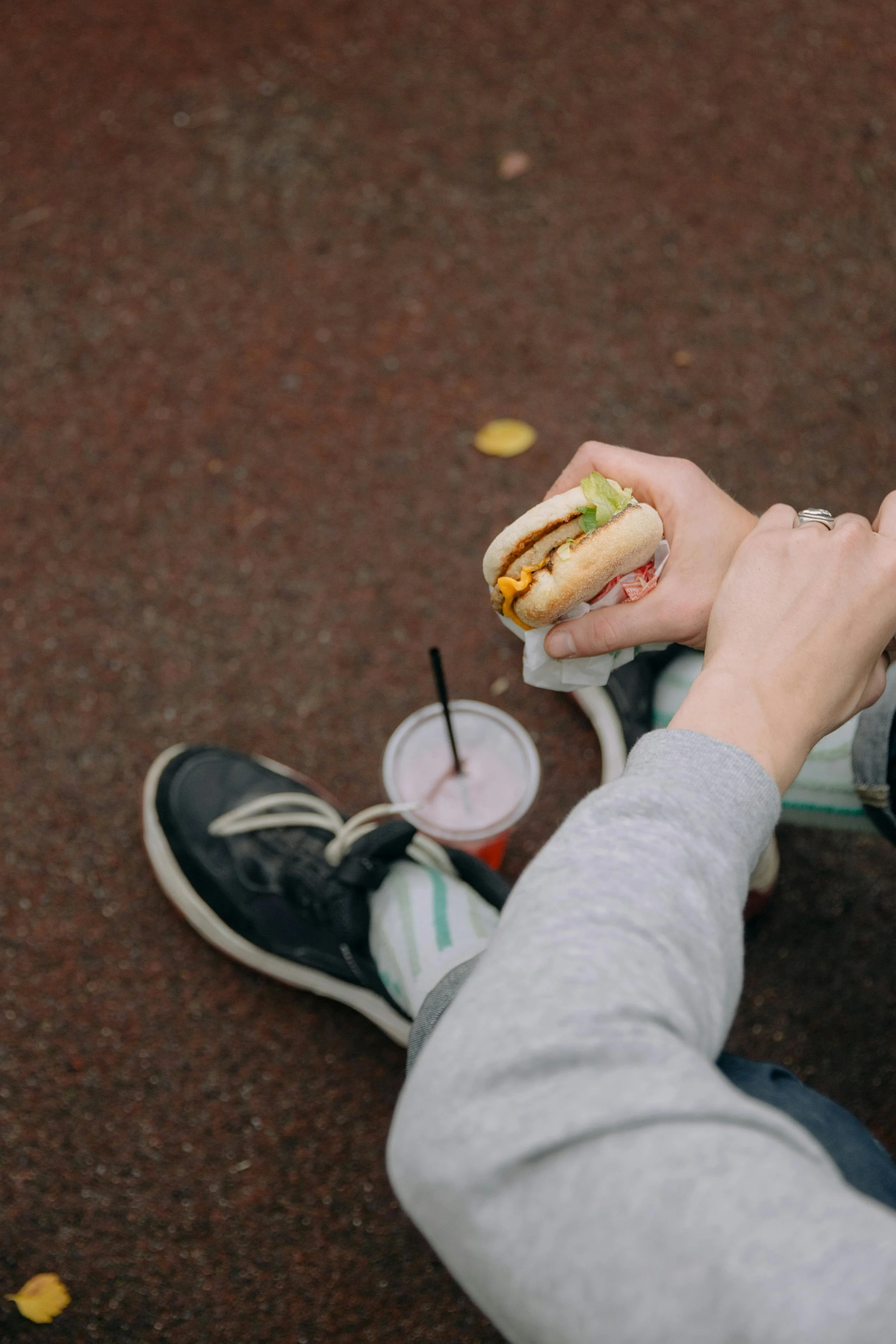
What you can do from your own table
You don’t have to work at a nonprofit or donate a chunk of your salary every month to fight child hunger. You can start small and close to home.
1. Support local food access
Donate to or volunteer with your local food bank, pantry, or community fridge.
If your child’s school has a backpack or weekend meals program, ask what they actually need most.
2. Talk about food with your kids in a grounded way
You don’t need to explain global politics at the dinner table, but you can:
Name gratitude: “We’re lucky to have this food; some families don’t always know if they’ll have enough.”
Involve kids in giving: let them help choose pantry items to donate or pick a local organization to support.
Connect it to waste: “Saving leftovers is one way we respect our food and the people who grew it.”
These small conversations make “giving back” feel normal instead of heavy and builds empathy in kids.
3. Choose products that align with your values
When you’re already buying things like kids’ plates, utensils, or interactive tableware, you can look for brands that are transparent about how they give, and realistic about what their products can actually do.
That’s the lens we use for YumLit: our kid mealtime aid is designed to make mealtimes calmer and more fun and to send a built-in donation toward child nutrition. We’re also building a luminary affiliate program so local schools, food banks, and community groups can earn extra funds whenever families buy through their link.
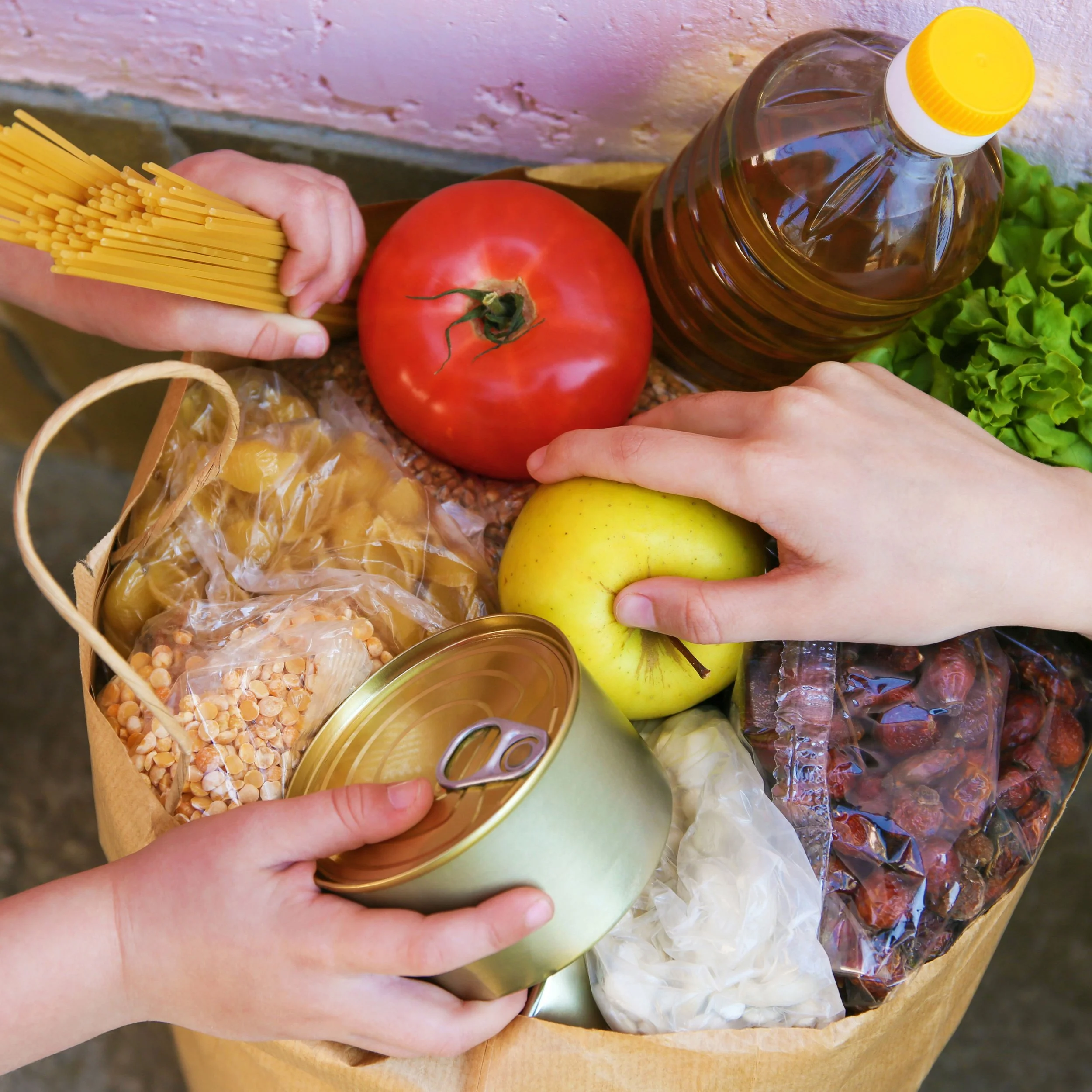
A hopeful closing thought
Hunger in 2025 is big. It spanned continents, climate shocks, policy choices, and supply chains.
But there are steps you can take today to put more food on tables in 2026.
Of course, we cannot fix global hunger on our own. We can, however, create environments where empathy, routine, and generosity are practiced routinely.
And those habits, multiplied across millions of homes, are exactly the kind of quiet force that shifts what’s possible.